
Bouddhanath Stupa is one of the most significant and holiest Buddhist sites in Nepal, located in the northeast outskirts of Kathmandu. It is a UNESCO World Heritage Site and is one of the largest stupas in the world. The stupa is a dome-shaped structure with a pinnacle on top that represents the enlightenment of the Buddha. The stupa is surrounded by shops, restaurants, and guesthouses that cater to tourists and locals alike, making it a vibrant and bustling area.
The stupa has a rich history dating back to the 5th century when it was said to have been built by the Licchavi king, and it has been renovated and expanded numerous times throughout the centuries. It is said to have been built on the remains of Kasyapa Buddha, and its location is believed to be significant as it sits on a trade route that links Nepal with Tibet.
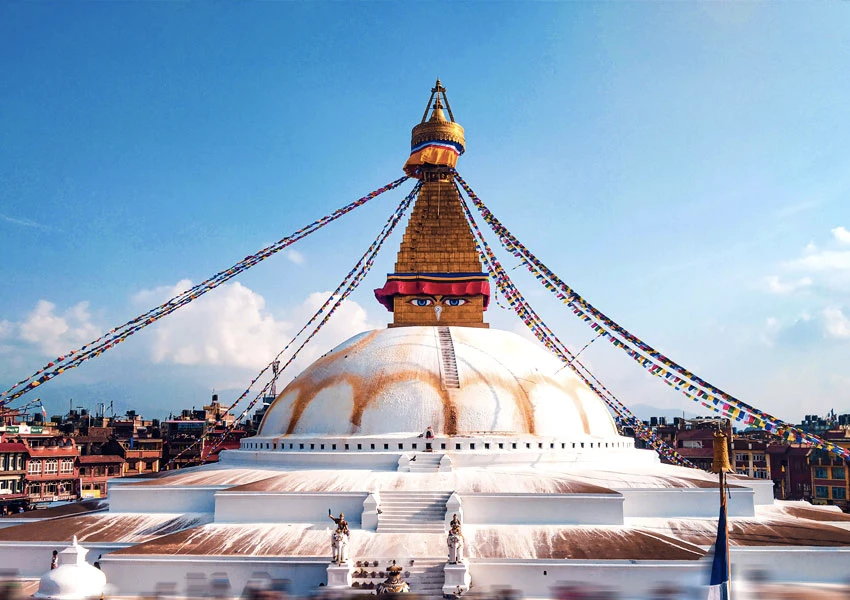
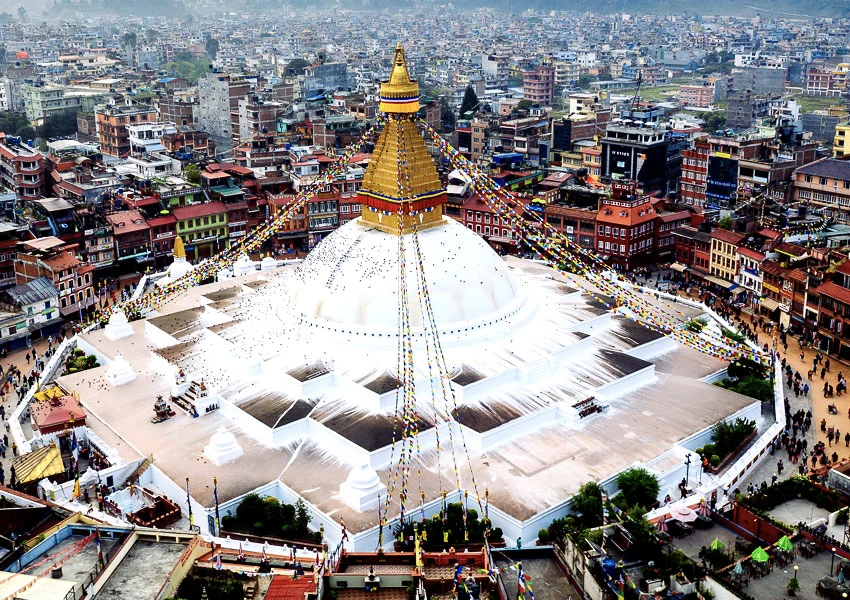
The stupa is considered to be a place of pilgrimage for Buddhists, who come to circumambulate the stupa and offer prayers and offerings. It is also a popular tourist destination, and visitors can climb up to the stupa's platform and enjoy the panoramic views of the surrounding area. The stupa is adorned with colorful prayer flags and is surrounded by prayer wheels, which are spun by visitors to accumulate merit and purify negative karma.
Throughout the year, the stupa hosts numerous festivals and celebrations, such as the Tibetan New Year (Losar) and Buddha Jayanti, which attracts large crowds of devotees and tourists alike. The stupa is a symbol of Nepal's rich cultural heritage and religious diversity and is a must-visit destination for anyone traveling to Kathmandu. The area surrounding the stupa is also home to numerous monasteries, temples, and schools, which offer visitors an opportunity to learn more about Buddhism and its practices.
Located near Bouddhanath Stupa, just 3 km from Kathmandu airport having 22 air-conditioned rooms equipped with antique furnishings and traditional decor, delivers Tibetan cultural experience.
© 2023 Bouddha Green Hotel - All right reserved.